The paint you put on your walls affects health, environmental impact, and long-term durability, not just aesthetics. As Kenya's construction and renovation sectors grow, the regulatory and market forces shaping the paint you buy are worth understanding.
KEBS and paint safety standards in Kenya
The Kenya Bureau of Standards (KEBS) develops and enforces product standards, including for paints, under the Standards Act, Chapter 496 of the Laws of Kenya. Within KEBS, the Chemical Department is responsible for standards covering paints alongside other chemically formulated products, ensuring products sold in Kenya meet safety and quality benchmarks.
KEBS has approved standards addressing toxicity in paint, setting maximum permissible limits for heavy metals such as lead and arsenic, and for volatile organic compounds that occur as contaminants from raw materials used in manufacturing. Exposure to heavy metals in paint is linked to respiratory, cardiovascular, and neurodevelopmental harm, particularly in children. KEBS has also published a code of practice for the painting of buildings (KS 2791), covering surface preparation and application practice.
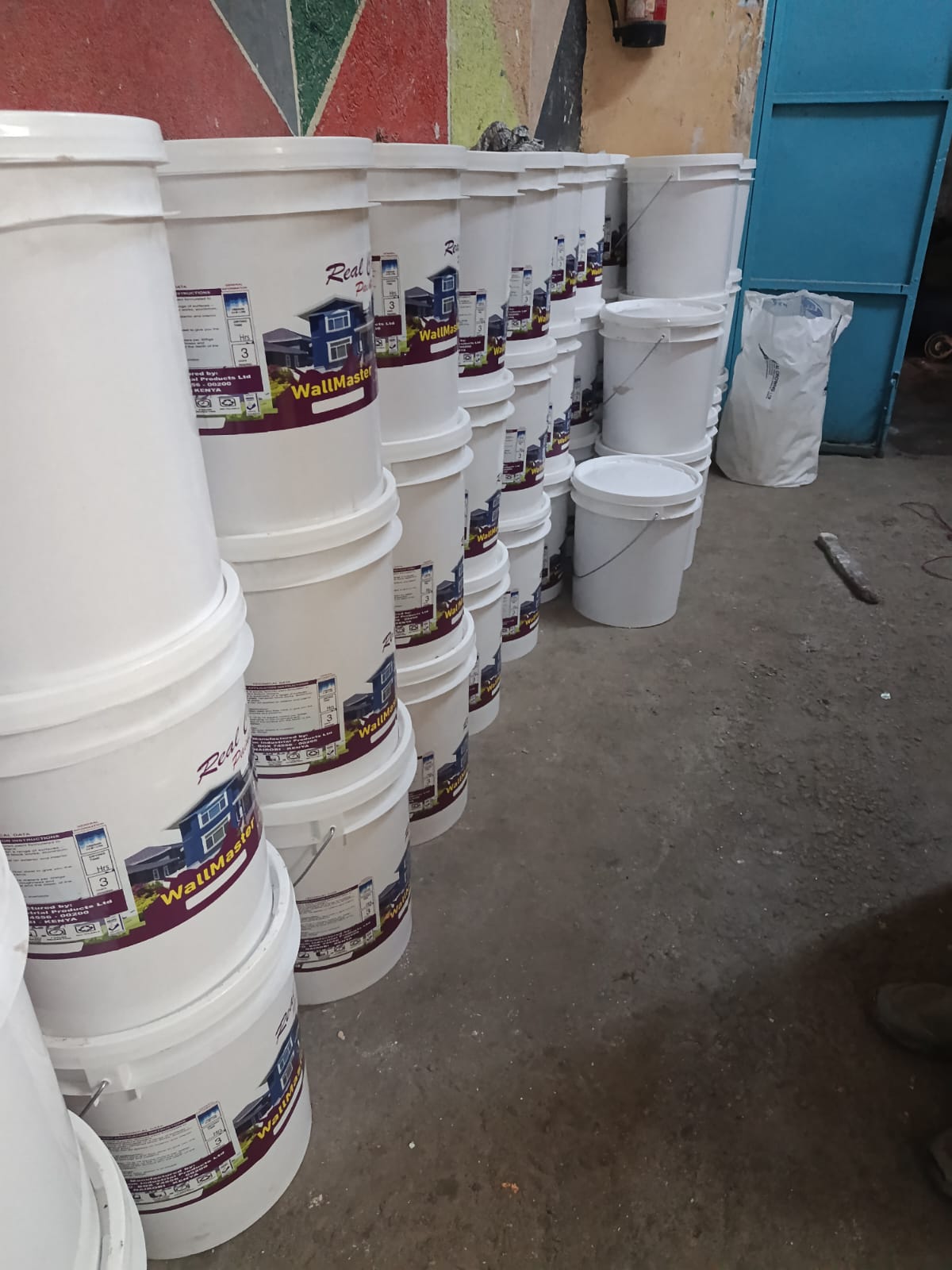
Ask suppliers whether their paint products comply with current KEBS standards. Reputable Kenyan paint brands, including Real Coat Paints, formulate products with these safety requirements in mind. Learn more directly from KEBS' own overview of its standards work.
Global colour trends shaping the local market
Colour trends continue to influence what's available and popular, even as safety standards tighten. Pantone named a soft, airy white, "Cloud Dancer," as its 2026 Colour of the Year, signalling a shift toward calm, minimalist palettes. Other major paint and colour authorities chose deeper, richer neutrals and earthy greens for 2026, giving consumers a wider spread of choice between serene minimalism and grounded warmth. These global trends filter into the Kenyan market through manufacturers' new product lines and colour charts, so expect both directions to be well represented locally this year. Read more in our post on 2026 paint colour trends for Kenyan homes.

Growth in Kenya's construction and renovation sector
Kenya's ongoing urban development, particularly around Nairobi's satellite towns and expanding middle-income housing, drives steady demand for decorative and industrial coatings. Commercial and industrial clients, from office fit-outs to warehouse and factory finishes, represent a growing share of the market as businesses invest in durable, long-lasting coatings over frequent repaints. This trend has pushed local suppliers to expand product ranges to cover everything from residential emulsions to heavy-duty industrial coatings.
What this means for you
For homeowners: Ask about KEBS-compliant products, particularly for interior paints used in bedrooms and children's rooms. Take advantage of the wider colour range now available as global trends filter into local stock.
For businesses: Factor in durability and compliance when specifying paint for commercial or industrial projects, not just colour. A higher upfront cost for a compliant, durable product often pays for itself in fewer repaints and less disruption.
Real Coat Paints keeps pace with both regulatory standards and colour trends across our full product range and colour range, for a single room or an entire commercial facility. Explore our services or request a quote to discuss your next project.
Looking ahead
As KEBS continues reviewing and updating standards, and as global colour and sustainability trends keep evolving, expect the Kenyan paint market to keep shifting toward safer, higher-performance products. Choosing suppliers who take compliance seriously protects your health, your investment, and the long-term look of your property.
Keep reading on realcoatpaints.com
Handy links to help you go from inspiration to a finished wall.
More photos