The difference between an amateur paint job and a professional-looking one comes down to a handful of habits, most of which happen before the roller touches the wall. These ten tips will help you get a smoother, more durable finish on any project, from one room to an entire property.
1. Never skip surface preparation
Professionals spend as much time preparing a surface as painting it. Clean walls thoroughly to remove dust, grease, and grime, fill cracks and holes, and then sand rough patches smooth. Paint applied to a poorly prepped surface shows every flaw underneath and peels prematurely.
2. Invest in quality tools
A cheap roller sheds fibers into your paint and leaves a patchy, textured finish. Quality brushes and rollers hold more paint, apply it more evenly, and clean and reuse easily. Good tools pay for themselves over a project's lifetime.
3. Use primer strategically
Primer isn't always necessary, but it's essential when painting over dark colors, bare or patched plaster, or stains. It evens out the surface and helps the topcoat achieve true, consistent color with fewer coats.
4. Choose the right sheen for the surface
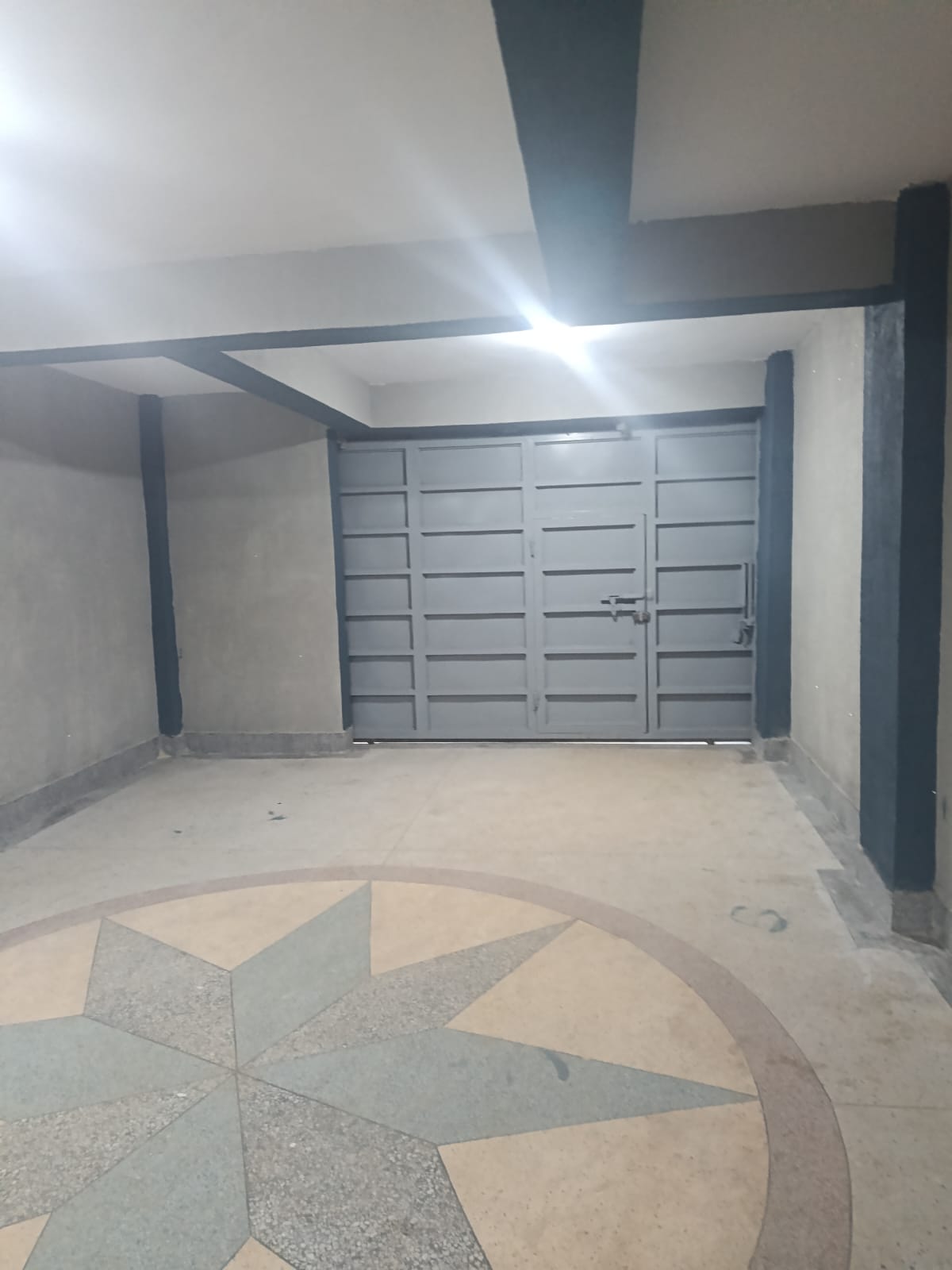
Matte and flat finishes hide imperfections well and suit ceilings and low-traffic walls. Satin, eggshell, and semi-gloss finishes are more washable and durable, better suited to kitchens, bathrooms, trim, and high-traffic areas. Choosing the wrong sheen for the wrong space is a common cause of disappointing results.
5. Cut in before you roll
Painting the edges, corners, and trim with a brush first, then rolling the main surface, gives clean lines without relying on tape for every edge, and it's faster than rolling right up to a corner.
6. Work in a wet edge
Work into the still-wet edge of your last stroke rather than letting an area dry before continuing. This prevents visible lap marks where two dried sections overlap, especially noticeable with darker or more saturated colors.
7. Apply thin, even coats
Thick coats are more likely to drip, sag, and take much longer to dry properly. Two thin, even coats almost always look better and last longer than one heavy coat, even if it takes more time upfront.
8. Respect drying and recoat times
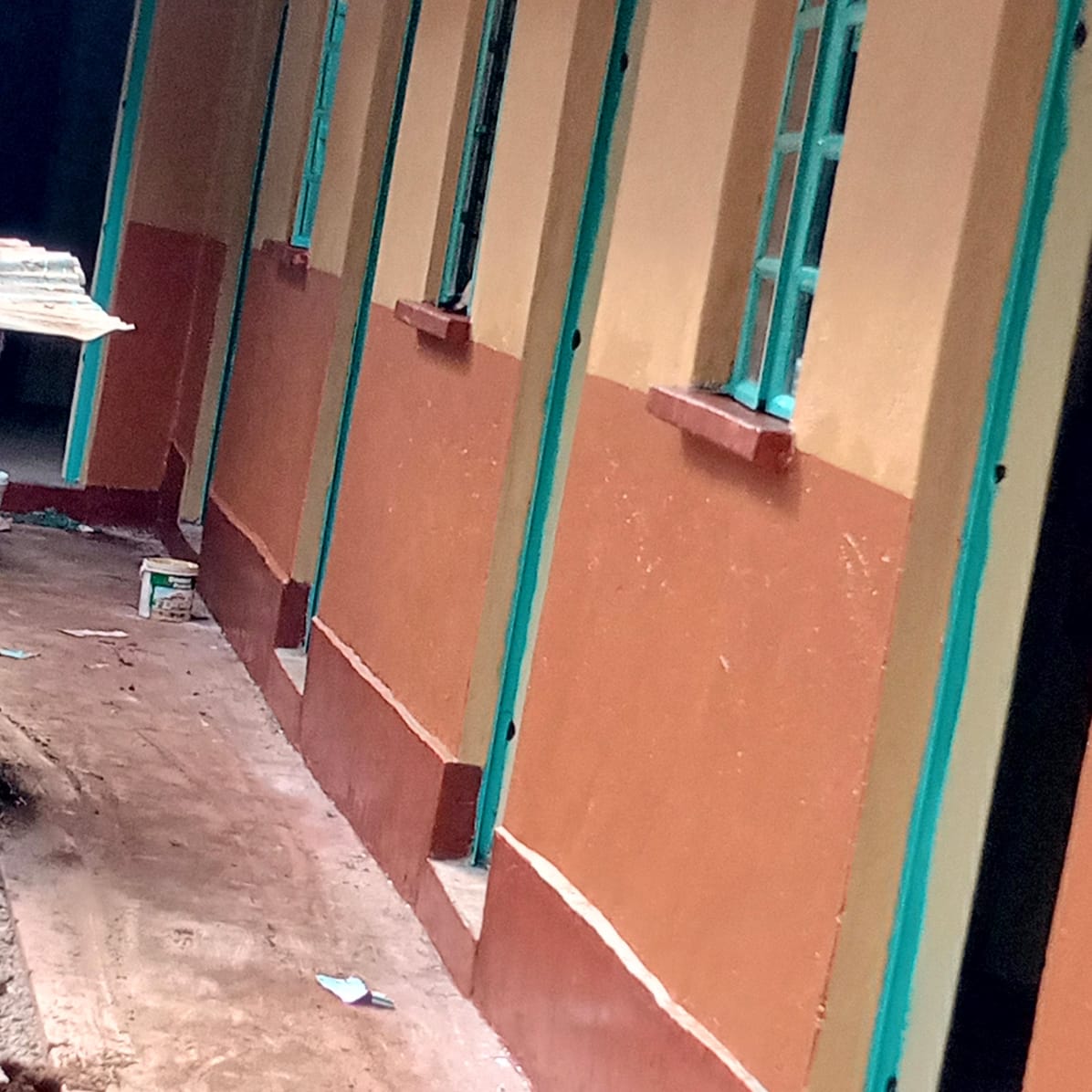
Recoating too soon pulls up the layer beneath, causing streaks or peeling. Check the product's recommended drying and recoat time, and factor in that humidity, common during Kenya's rainy seasons, extends drying times significantly.
9. Mind the weather for exterior work
For exterior painting, avoid working in direct, intense midday sun, which dries paint too fast and leaves visible brush or roller marks. Avoid painting if rain is expected within the drying window. Early morning or late afternoon is often the best time for exterior work in Nairobi's climate.
10. Know when to bring in professionals
Some jobs, high ceilings, exterior facades, textured or specialty finishes, or large commercial spaces, need professional equipment and experience that's hard to replicate with a DIY setup. If your project has grown in scope, our painting services team can take it from planning through to a flawless finish.
Putting it into practice
These ten habits require patience, especially around preparation and drying times, the two steps most often rushed. Combined with a quality paint product suited to your surface and climate, they get you a result that looks professional and lasts.
Explore our full product range to find the right paint and finish for your project, browse the color range for inspiration, and use our paint calculator to plan quantities before you buy. For projects beyond DIY scope, request a free quote.
Keep reading on realcoatpaints.com
Handy links to help you go from inspiration to a finished wall.
More photos